

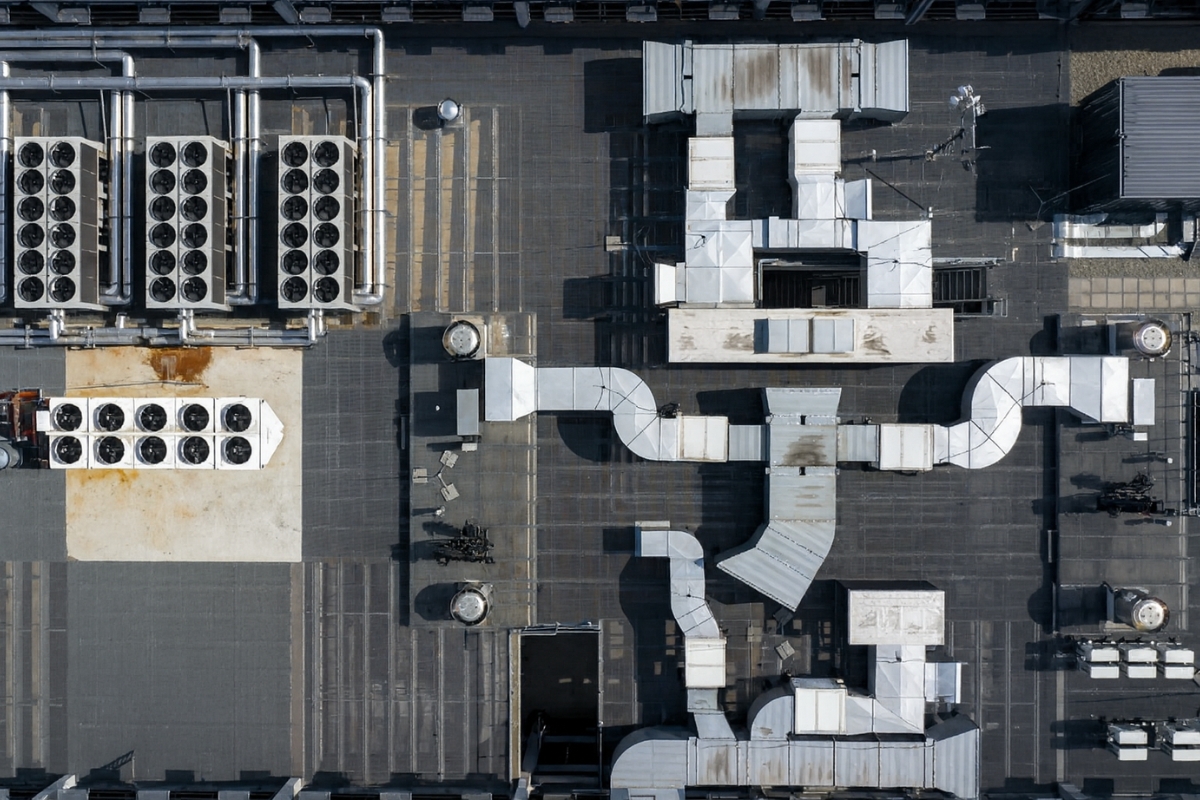
Mechanical 3D Modeling is a vital component of Building Information Modeling (BIM), enabling engineers to design and coordinate complex HVAC, plumbing, and fire protection systems with exceptional accuracy. Using advanced tools such as Revit MEP and AutoCAD MEP, designers can create detailed 3D models of ductwork, piping, and equipment layouts. This approach allows precise sizing, routing, and spatial coordination, ensuring that every mechanical component — from air handling units and chillers to pumps and valves — fits perfectly within the building’s structure. Through intelligent 3D modeling, engineers can visualize system interactions, detect potential clashes, and streamline installation planning before construction begins.
Beyond visualization, Mechanical 3D Modeling enhances collaboration and design optimization across disciplines. It integrates HVAC, plumbing, and fire protection systems into a unified BIM environment, ensuring seamless coordination with architectural and structural models. Engineers can analyze airflow, energy efficiency, and load distribution to achieve high-performing, sustainable mechanical systems. By simulating real-world performance and automating documentation, the modeling process minimizes design conflicts, accelerates project delivery, and ensures compliance with international MEP standards.
- Advanced HVAC System Design
- Integrated Plumbing and Fire Protection Systems
- Clash Detection and Design Coordination
- Energy Analysis and Performance Simulation
- Automated Construction Documentation
- Improved Collaboration and Visualization